Toxic Mold Injury Lawyer in Denver, CO
Sick from toxic mold in your Denver rental, home, or workplace? Lionheart Injury Law holds negligent landlords accountable and wins full compensation for mold injuries.
Start Your Free Case ReviewRecent Results

What Can You Recover in a Denver Mold Injury Case?
Most serious toxic mold cases we take resolve between $200,000 and $3 million, and lifelong respiratory harm pushes it higher. Mold damages are cumulative: medical care, relocation, remediation, and ruined belongings all count, and they add up fast.
Bigger and faster settlements come from trial preparation that starts the day you sign.
With us, you speak directly with your attorney, and our RN Medical Director manages your medical care from day one, insurance or no insurance. There's no fee unless we win. Contact us now for a free consultation.
Why You Need an Attorney in a Toxic Mold Case
Because mold cases are records cases, and the landlord holds the records. Maintenance logs, prior complaints, past leak repairs, and the inspection history all live on the other side, and they only come out through legal demands. An attorney also brings what these cases cannot win without: a preservation letter before the repainting starts, an industrial hygienist before remediation destroys the evidence, and medical development that connects your diagnosis to your home.
We prepare every mold case for trial from day one, and the consultation is free, with no fee unless we win.
How Much Does It Cost to Hire a Toxic Mold Lawyer?
Nothing up front, and nothing ever unless we win. We advance every cost of the case: the environmental inspection, the industrial hygienist, medical records, filing fees. Our fee is a percentage of the recovery at the end. And because our RN Medical Director arranges evaluation and treatment paid from the settlement, getting medically checked does not wait on money either.
How Much Is My Toxic Mold Case Worth?
Your claim reaches medical care and future treatment, lost wages, relocation and temporary housing costs, destroyed belongings, and the human toll: months of unexplained illness, a child's new asthma diagnosis, a home you were afraid to breathe in. Non-economic damages run under HB24-1472's $1.5 million cap; permanent respiratory impairment sits outside it. The deadline is generally two years (C.R.S. § 13-80-102), but the evidence clock is measured in days, not years. Venue for Denver cases is Denver District Court, in front of jurors who rent, who have dealt with Denver landlords, and who understand exactly how a maintenance request goes unanswered. Insurers pay these cases when the testing, the notice record, and the medicine line up; if trial is what it takes, we are ready.
Talk to a Denver Toxic Mold Lawyer
If a landlord's neglect made your home unsafe to breathe in, you have rights. Free consultation, no fee unless we win.
Get a Free Case Review Call 720-763-5207What Should I Do If I Suspect Toxic Mold in My Home?
- Report it to your landlord in writing today, with photos attached. Colorado law starts a 24-hour response clock and a 72-hour mitigation clock the moment they receive notice.
- Photograph everything, and re-photograph weekly from the same spots: stains, growth, bubbling paint, window tracks, the musty areas.
- Start a symptom diary for everyone in the home: dates, symptoms, and whether they improve away from the house.
- See a doctor and say the words 'we have mold in our home'; that sentence puts your housing into the medical record.
- Keep receipts for everything the mold costs you, and photograph damaged belongings before discarding anything.
- Do not paint over it, and do not let the landlord's crew tear it out before it is documented.
Every step above is yours to take today, free, and each one strengthens the case if you need us. Our guide to bringing a mold claim against your landlord goes deeper.
What Are the Symptoms of Toxic Mold Exposure?
The documented ones are respiratory and allergic: stuffy or runny nose, sore throat, persistent cough, wheezing, burning or watery eyes, and skin irritation. People with asthma or mold allergies get hit harder, with real attacks, and children most of all. The tell-tale pattern is the one to watch: symptoms that ease when you are away from home and return within days of coming back. If that describes your household, write it down; it is both a medical clue and legal evidence.
How Toxic Mold Exposure Can Really Harm You
Respiratory illness leads the list: chronic coughing, wheezing, shortness of breath, and asthma that appears or sharply worsens after moving in. Allergic reactions follow: congestion, sinus infections on repeat, watery eyes, skin rashes. Prolonged exposure to mycotoxins is associated with headaches, fatigue, nausea, and difficulty concentrating, the kind of symptoms doctors chase for months before anyone thinks to ask about the apartment. For vulnerable people the stakes rise fast: children can develop lifelong asthma, and immunocompromised residents face serious fungal infections such as aspergillosis. A telltale pattern we see in almost every case: the symptoms improve when you leave the home and return when you do. Write that pattern down; it is evidence.
What Types of Mold Spores Can Cause Harm?
The genera most often found in water-damaged housing are Cladosporium, Penicillium, Aspergillus, and Alternaria, with Stachybotrys chartarum (the infamous "black mold") drawing the headlines because it thrives on soaked drywall and paper. Here is the honest science: the specific species matters less than people think. What drives illness is chronic dampness and sustained exposure, which is why the legal case is built on the water problem and the landlord's response to it, not on scaring a jury with Latin names.
When Negligence Leads to Toxic Mold
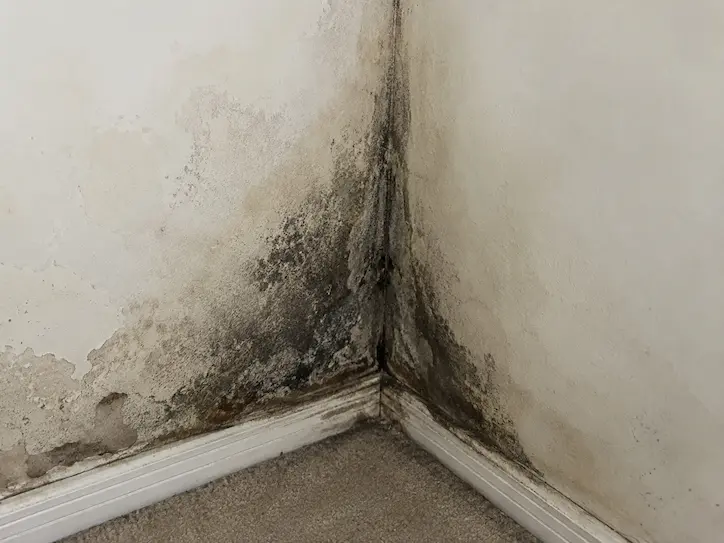
Mold is a living contamination that grows wherever water meets organic material, and it hides: behind drywall, under flooring, above ceiling tiles, inside HVAC ducts, behind the appliances nobody moves. There are tens of thousands of mold species; the dangerous ones, including the infamous black mold (Stachybotrys), release spores and mycotoxins that people breathe for months before anyone finds the colony. That is what makes these cases different: the injury builds invisibly, the evidence sits inside someone else's walls, and the defendant usually knew about the water problem long before you knew about the mold. The first sign is often a musty odor, a water stain, or a family that cannot stop getting sick in one particular home.
Colorado law is on your side here. The warranty of habitability (C.R.S. § 38-12-503) expressly makes a rental uninhabitable when it has mold associated with dampness. This is not a vague negligence theory; it is a statute with the landlord's name on it.
Who Is Liable for Toxic Mold Exposure in Denver?
Landlords and property managers are the most common defendants: Colorado's habitability statute requires them to address mold and the dampness feeding it within days of written notice, following a defined remediation process. Ignoring the leak, painting over the colony, or spraying bleach on drywall and calling it fixed is negligence, and retaliating against a tenant who complains is separately unlawful. Beyond rentals: hotels owe guests safe rooms (a claim that runs like our hotel injury playbook cases), HOAs and management companies answer for common-element water intrusion in condos, builders and contractors answer for construction defects and botched plumbing that trapped water inside new walls, and employers' landlords and building owners can be liable when a moldy workplace makes staff sick. Toxic exposure inside rental housing has a sibling on this site: the same neglected buildings that grow mold are the ones with the failing furnaces on our carbon monoxide poisoning playbook.
Mold cases are premises cases at their core; the notice-and-duty framework of our slip and fall overview anchors them.
Mold Property Damage vs. Mold Injury Claims: Which Do You Have?
Mold generates two different legal claims, and knowing which one you are holding changes everything about how it gets pursued. A property damage claim is about things: ruined furniture, contaminated clothing, remediation and relocation costs, rent paid on an uninhabitable unit. It typically runs against a landlord, an HOA, or an insurance policy, and it is measured by receipts. A mold injury claim is about your health: the respiratory illness, the neurological symptoms, the medical bills and missed work that follow long-term exposure, and it is measured by medical evidence, not invoices.
The two usually travel together, and the property file is often what wins the injury case: the moisture readings, the remediation invoices, and the photographs of the colony behind the drywall are the same proof that ties your diagnosis to the building. Our practice centers on the injury claim, and when we take one on, the property damage rides with it so nothing is left on the table. If mold destroyed belongings but nobody got sick, that is usually an insurance or landlord-tenant dispute rather than an injury case, and the guides in our landlord mold playbook walk through exactly those fights.
How We Build a Toxic Mold Injury Case
Test before the cleanup. A licensed industrial hygienist performs air-quality and spore sampling that identifies the species and concentration; once remediation starts, that evidence is gone forever, so we move immediately and send a preservation demand. We assemble the notice record (your written complaints, texts with the manager, maintenance tickets, prior tenants' complaints, city inspection files), document the moisture source before it is repaired, and preserve contaminated belongings rather than letting them disappear in a dumpster. On the medical side, we connect your treating physicians with the environmental results, because the defense in every mold case is the same: it is just allergies, it was preexisting, it could have come from anywhere. The testing plus the symptom timeline answers all three.
How Long Do I Have to File a Mold Lawsuit in Colorado?
Generally two years for the injury claim, with different clocks possible for contract and habitability theories, and just 182 days of notice if your building is public housing. The legal deadline is never the real one, though: video overwrites, walls get repainted, and families move. The day you connect the sickness to the house is the day to start documenting.
Where Mold Grows in Denver Housing
Colorado is dry, and landlords lean on that fact to dismiss complaints. But mold does not need a humid climate; it needs water, and Denver housing supplies it: basement and garden-level apartments in Capitol Hill and Wash Park era buildings, swamp coolers pushing moisture through ducts all summer, flat and low-slope roofs that pond spring snowmelt, sixty-year-old plumbing behind sixty-year-old tile, and sprinkler overspray soaking foundations. In the older apartment stock along Colfax and across the city's northwest, deferred maintenance does the rest. Denver's Department of Public Health and Environment takes housing complaints and its inspection records, along with your 311 reports, become evidence of exactly when the landlord knew.
Get a FREE Case Evaluation Today
We're here to help, 24 hours a day, 7 days a week