Toxic Mold Injury Lawyer in Aurora, CO
Sick from toxic mold in your Aurora apartment, home, or workplace? Lionheart Injury Law makes negligent landlords pay for the illness their neglect caused.
Start Your Free Case ReviewRecent Results

What Can You Recover in an Aurora Mold Injury Case?
Toxic mold cases at our firm typically settle for $200,000 to $3 million, and lifelong respiratory harm pushes it higher. Mold damages stack: treatment, relocation, remediation, and everything the colony ruined, all of it belongs in the claim.
We prepare every case for trial from day one, and insurers know it. That is why our settlements come in bigger and faster.
With us, you speak directly with your attorney, we help you get immediate medical care, regardless whether you have insurance, and there's no fee unless we win. Contact us now for a free consultation.
Why You Need an Attorney in a Toxic Mold Case
Mold cases are won on paper the tenant never sees: the complex's maintenance database, the prior leak tickets, the last tenant's complaints about the same wall. Legal process is the only key to those records. A lawyer also freezes the evidence (a preservation letter before the "repairs" start), brings the industrial hygienist in before remediation erases the proof, and builds the medical link between your home and your diagnosis.
The consultation is free, we answer within two hours, and there is no fee unless we win.
What Should I Do If I Suspect Toxic Mold in My Apartment?
- Give written notice today, with photos. Under Colorado law your landlord has 24 hours to respond when health is at risk and 72 hours to contain the mold, stop the water, and add HEPA filtration.
- Photograph the growth, the stains, and the moisture sources, and repeat weekly from the same angles.
- Track symptoms for everyone in the unit, including whether they improve when you stay elsewhere.
- Tell your doctor about the mold explicitly so it enters the chart.
- Save receipts and photograph any belongings the mold has ruined.
- If your health is at risk, request a comparable unit or hotel; the statute gives you that right.
All of this you can do yourself, today. What Colorado law requires of your landlord, deadline by deadline, is in our guide to what the law requires when landlords stall.
How Much Is My Toxic Mold Case Worth?
The claim covers medical care and future treatment, lost wages, relocation costs, destroyed belongings, and the non-economic toll of months spent sick in a home you could not trust, capped at $1.5 million under HB24-1472, with permanent respiratory impairment uncapped. The filing deadline is generally two years (C.R.S. § 13-80-102); the testing deadline is whenever the remediation crew shows up, which is why we move the week you call. Aurora cases are filed in Arapahoe County District Court (Adams County for the city's northwest), in front of jurors who know Aurora's rental market firsthand. Most cases settle once the testing, notice record, and medical timeline are locked; if trial is what it takes, we are ready.
Talk to an Aurora Toxic Mold Lawyer
Your home should not be the thing making your family sick. Free consultation, no fee unless we win. We serve all of Aurora from our office minutes west of the city line.
Get a Free Case Review Call 720-763-5207How Much Does It Cost to Hire a Toxic Mold Lawyer?
Zero out of pocket: free consultation, no retainer, no hourly bills. We advance the inspection, the experts, and the records, and we are paid a percentage only when you recover. If we do not win, you owe nothing. Medical evaluation does not wait on money either; our RN Medical Director connects clients with providers who treat now and are paid from the settlement.
What Are the Symptoms of Toxic Mold Exposure?
Watch for the respiratory and allergic cluster: congestion, sore throat, a cough that will not resolve, wheezing, irritated eyes, and skin rashes, hitting asthmatics, allergy sufferers, and children hardest. The strongest single clue costs nothing to check: do symptoms fade on vacation and return at home? Two weeks of notes on that pattern tells you, and later a jury, more than any single air test.
How Toxic Mold Exposure Can Really Harm You
Mold spores and mycotoxins injure through the lungs first: chronic cough, wheezing, shortness of breath, and new or worsening asthma, especially in children. Allergic responses follow: constant congestion, sinus infections, irritated eyes, rashes. Longer exposures are associated with fatigue, headaches, nausea, and trouble concentrating, symptoms that send families through months of appointments before anyone connects them to the building. The highest-risk residents are the youngest, the oldest, and the immunocompromised, for whom serious fungal infection is a real danger. Aurora families have world-class pediatric care nearby at Children's Hospital Colorado, and those treating records, paired with environmental testing, become the medical spine of the claim.
What Types of Mold Spores Can Cause Harm?
Damp Colorado housing most often grows Cladosporium, Penicillium, Aspergillus, and Alternaria, and on saturated drywall, Stachybotrys chartarum, the black mold of the headlines. The species name matters less than the moisture behind it: sustained dampness and sustained exposure are what make people sick, and what the law holds landlords responsible for. That is why we build these cases on the water history and the ignored notices, not on fear.
When Negligence Leads to Toxic Mold
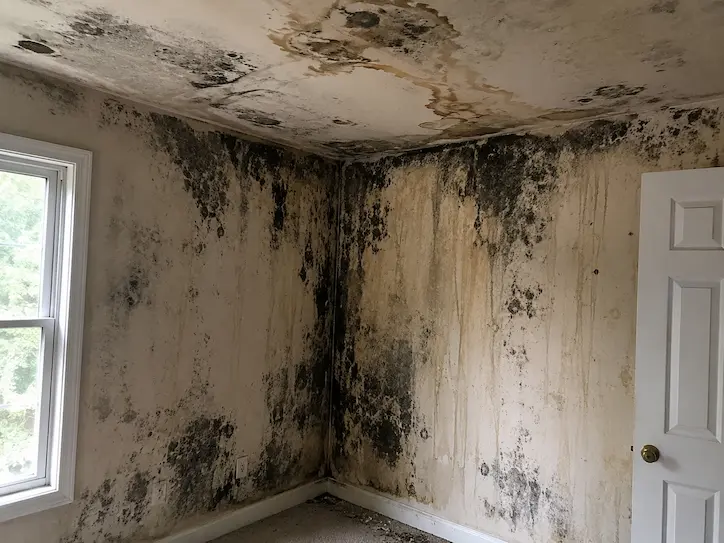
A mold case is a hidden-injury case twice over. The mold hides inside walls, under carpet pads, in HVAC systems, and behind the water heater; the illness hides inside symptoms that look like a cold, allergies, or stress. Families in Aurora apartments spend months sick (coughing children, repeat sinus infections, headaches and exhaustion with no diagnosis) while a colony of Stachybotrys or Aspergillus grows behind the bedroom wall from a leak the landlord was told about in writing. By the time someone opens the wall, the questions are legal ones: who knew, when, and what did they do about it. Colorado answers the duty question by statute, and the paper trail answers the rest.
The pattern that proves these cases: everyone in the household improves away from home and relapses on return. Keep a symptom diary with dates. Judges, juries, and insurance adjusters all understand what that pattern means.
Who Is Liable for Toxic Mold Exposure in Aurora?
The defendant list starts with the landlord and the management company: under Colorado's warranty of habitability (C.R.S. § 38-12-503), mold associated with dampness makes a unit uninhabitable, and a landlord on written notice must follow a defined remediation process promptly rather than painting over the stain. Corporate apartment operators along Aurora's rental corridors often run the same playbook across whole portfolios, which means prior complaints at the same complex are discoverable and devastating. Beyond apartments: hotels (the same duty we enforce on our hotel injury breakdown), HOAs for condo water intrusion, builders for defects that sealed moisture into new construction on the city's growing east side, and building owners when a workplace makes employees sick. And the same neglected buildings that grow mold are the ones we see in our carbon monoxide poisoning playbook cases: deferred maintenance rarely fails in only one way.
Habitability cases are premises cases at heart, sharing the notice framework of our slip and fall breakdown.
How We Build a Toxic Mold Injury Case
Evidence first, fast: a licensed industrial hygienist tests the air and surfaces before any remediation, because the species identification and spore counts are the case, and cleanup erases them. We send preservation demands to the complex, photograph the colony and the moisture source, and keep contaminated belongings as evidence. Then the paper: your written notices, maintenance requests and their timestamps, the complex's work orders, prior tenants' complaints, and city inspection files. Medically, we tie the household's symptom timeline to the exposure through your treating physicians, ready for the standard defenses (allergies, preexisting conditions, some other building) that testing and timing dismantle.
How Long Do I Have to File a Mold Lawsuit in Colorado?
Two years, generally, for the injury claim, and only 182 days of written notice if a housing authority owns the building. But treat the evidence as the real deadline: repainting, "remediation," and turnover erase proof in weeks. Document first, then ask us what applies to your building; the consultation is free.
Where Mold Grows in Aurora Housing
Aurora's aging apartment stock along Colfax, Havana, Peoria, and Chambers is the recurring setting: 1960s and 70s buildings with original plumbing, swamp coolers pumping moist air through summer, flat roofs holding spring snowmelt, and ground-floor units backed against wet foundations. Bathroom fans that vent nowhere, laundry rooms without ventilation, and years of painted-over water stains complete the picture. The city's newer east-side construction contributes its own version: construction-defect moisture sealed behind builder-grade finishes. Aurora code enforcement takes housing complaints, and those records, along with your own written notices to the complex, establish exactly when the landlord knew and chose not to act.
Get a FREE Case Evaluation Today
We're here to help, 24 hours a day, 7 days a week